The Philosophy of Constraints
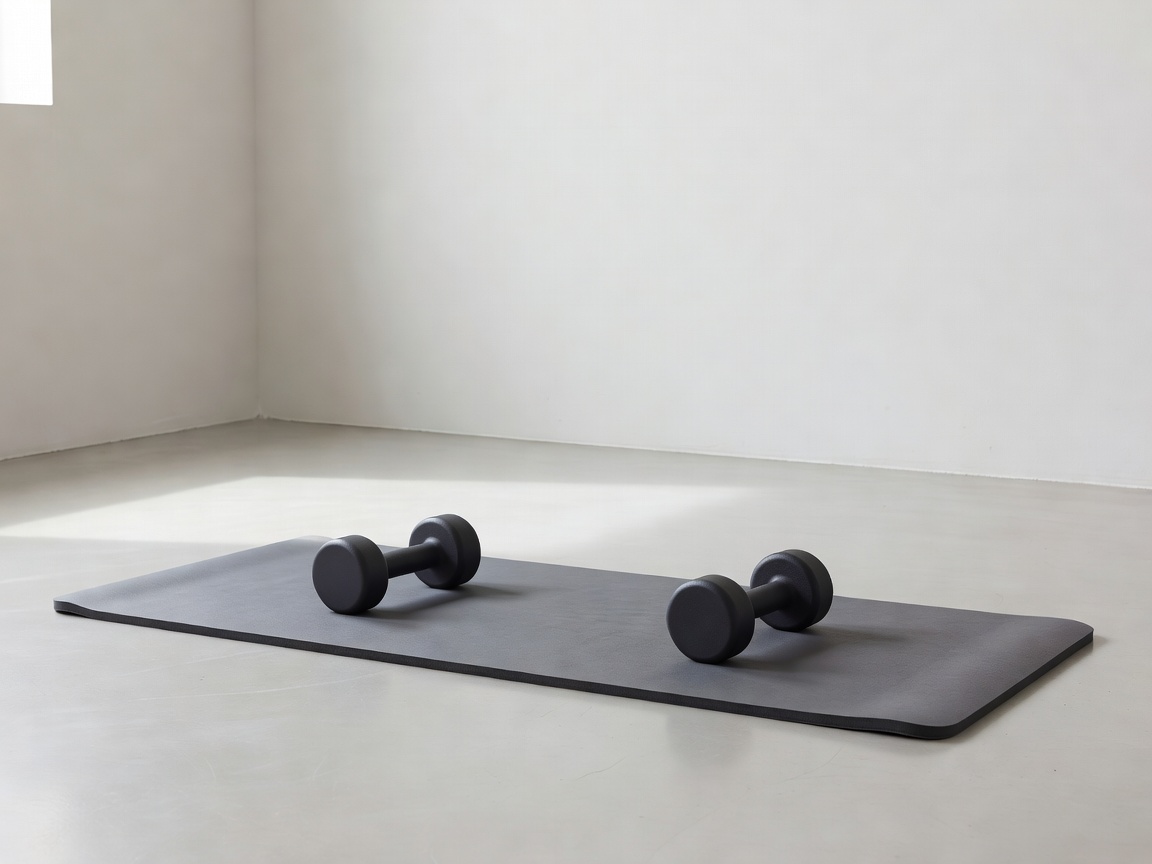
The concept of the minimalist workout is often misunderstood as being inherently easier or less effective than complex, multi-machine regimens found in commercial facilities. In reality, minimalism in physical training enforces a strict focus on primary, multi-joint movements that demand systemic exertion. By stripping away redundant isolation exercises, practitioners are left with only the movements that provide the highest return on investment.
When constrained by space, time, or equipment, the variables we manipulate shift. Instead of adding a fourth or fifth exercise for a specific muscle group, we manipulate density (work done per unit of time), tempo (the speed of the eccentric and concentric phases), and leverage. This approach is fundamental for anyone looking to build serious fitness routines in the home environment.
Core Movement Patterns
A comprehensively structured home workout must address the fundamental human movement patterns. Over-complicating these patterns leads to analysis paralysis; ignoring them leads to imbalances.
- Horizontal Push: Push-up variations, floor presses.
- Vertical Push: Pike push-ups, overhead presses.
- Horizontal Pull: Inverted rows, bent-over rows.
- Vertical Pull: Pull-ups, chin-ups.
- Hinge: Glute bridges, single-leg deadlifts, kettlebell swings.
- Squat: Goblet squats, split squats, pistol squats.
Structuring a 20-Minute Density Session
One of the most effective structures for home training is the Escalating Density Training (EDT) model, adapted for minimal gear. The goal is straightforward: complete as many high-quality repetitions of antagonistic paired sets as possible within a strict timeframe.
Consider a pairing of Goblet Squats and Push-ups. Set a timer for 15 or 20 minutes. Perform 5 to 8 repetitions of the squat, rest briefly, then perform 5 to 8 push-ups. Continue alternating. Because the exercises utilize distinct muscle groups, one recovers while the other works. This drives cardiovascular adaptation alongside muscular hypertrophy.
Implementing Variable Tempo
When equipment is limited—for example, possessing only a single pair of medium-weight dumbbells—progressive overload via adding weight becomes impossible. The solution is tempo manipulation. By drastically slowing the eccentric (lowering) phase of a lift to 4 or 5 seconds, and incorporating a 2-second pause at the point of maximum mechanical disadvantage, a light weight can stimulate intense adaptation.
Pros and Cons of Minimalist Home Training
It is important to evaluate this methodology objectively to understand where it excels and where supplementary work might be needed over long time horizons.
| Advantages | Limitations |
|---|---|
| Eliminates commute time completely. | Maximum absolute strength (1RM) is hard to test. |
| Requires highly economical, compound movements. | Limited equipment can stall progression without creativity. |
| Low financial barrier to entry over time. | Requires self-discipline without external motivation. |
| Highly adaptable to travel and varying schedules. | Isolation of smaller muscle groups requires specific setups. |
Ultimately, a minimalist workout is not about doing less; it is about doing the right things with higher focus. By mastering your own bodyweight and perhaps a single implement like a kettlebell or pair of adjustable dumbbells, the ceiling for physical development remains remarkably high.